
Why Modern Japanese Cars Need Advanced Diagnostic Expertise
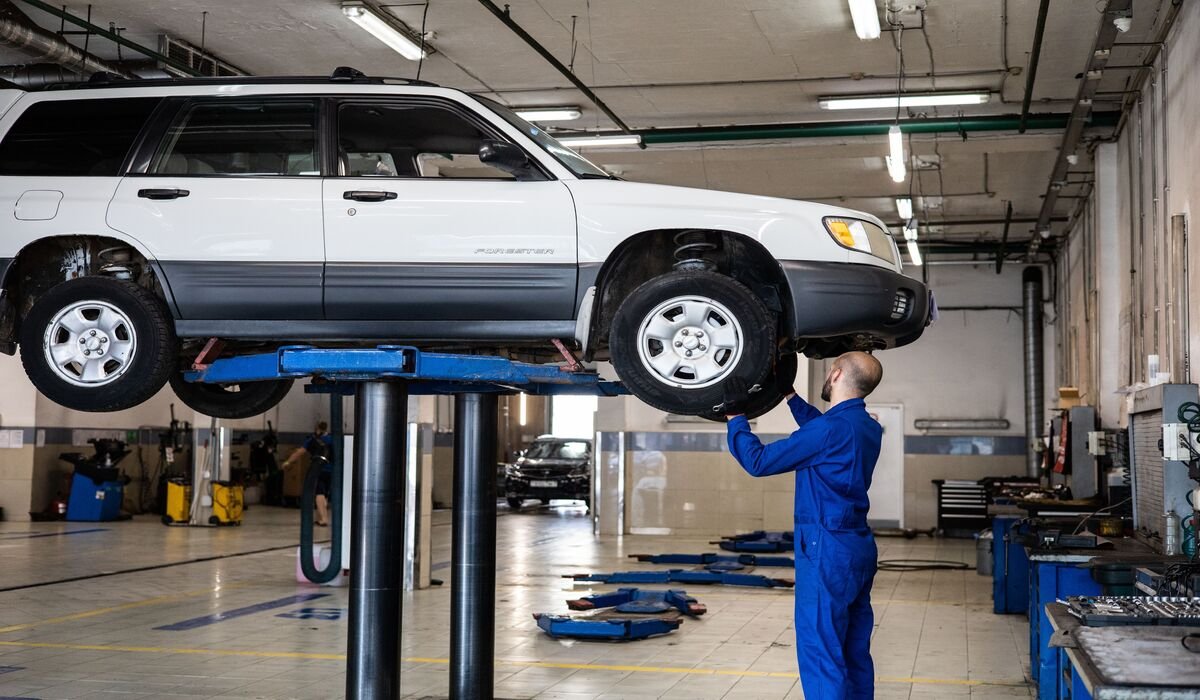
There is no doubt that Aussies adore their Japanese cars, be it tradies’ super-durable Hilux, family RAV4 going down the coast, or Subaru Forester jam-packed for the weekend camping.
But it’s time to speak harshly for a minute about what will happen when something breaks down. Times when it was enough to repair the slightest problem with the engine in your driveway using a simple socket set and a cold tinnie have long gone. Modern cars are extremely complicated.
And it’s precisely because of this fact that modern Japanese cars require a special level of diagnostic skills. To ensure the smooth operation of highly reliable machines, a mechanic should work not only as an auto-electrician but also as a computer specialist. And to get a really reliable Japanese car service in Melbourne, one needs to choose a workshop that can understand this tremendous shift in technology.
From Trusty Spanners to Rolling Supercomputers
- The Evolution: Japanese manufacturers like Toyota, Mazda, and Honda transitioned rapidly from mechanical simplicity in the late '90s. Today, they build highly complex, software-driven machines that demand serious brainpower to fix. You simply cannot tune them by ear anymore.
- The Tech Network: A modern Japanese vehicle can easily have over fifty Electronic Control Units (ECUs) constantly talking to each other. They communicate rapidly across complex network buses, like the CAN bus, just to operate the engine, transmission, and basic cabin comforts. It is quite literally a rolling computer network on wheels.
- Local Flavour: Think about those rugged 4x4s built specifically for the harsh, dusty Outback. They rely entirely on these delicate sensor networks to manage everything from active traction control to precise engine timing. One dodgy mass airflow sensor can literally stop you dead in the red dust.
Why Your Mate’s Cheap Scanner Isn’t Cutting It Anymore
- The Generic Trap: We all know the strict limitations of those cheap $20 OBD2 code readers you can grab online or at the local auto parts shop. They might temporarily turn off an annoying check engine light. But they barely scratch the surface of what is actually failing underneath.
- The Need for Proprietary Tech: Advanced diagnostics requires incredibly expensive, manufacturer-specific software programmes like Toyota’s Tech stream or Honda's HDS. You need this high-level access to read deep network modules and interpret live data accurately. This is exactly why it is so important to find a professional Japanese car repair specialist for the long-term health of your vehicle.
- “The Parts Cannon”: Beware of the extreme financial danger for DIYers or undertrained mechanics who just guess at the root problem. They will often unnecessarily replace perfectly good and expensive parts based on vague generic codes for faults. We call this firing the parts cannon, and it will drain your bank account incredibly fast.
Safety First: Calibrating ADAS for the Aussie Road Trip
- Defining ADAS: Advanced Driver Assistance Systems are absolutely non-negotiable for modern vehicle safety standards. These high-tech radar and camera setups include things like:
- Radar adaptive cruise control for highway driving.
- Active lane-keep assist programmes.
- Automatic emergency braking systems.
- Local Flavour: These automated systems are vital for long, fatiguing highway stints like driving the Hume Highway at night. They are absolute lifesavers when detecting sudden, unpredictable hazards like kangaroos at dusk. You desperately want them working perfectly at all times.
- The Diagnostic Requirement: If you get a cracked windscreen replaced, add a hefty suspension lift to your ute, or get into a minor bingle, these sensitive cameras and radars are heavily affected. They require precise, advanced diagnostic calibration by a trained professional to keep you safe. You simply cannot skip or ignore this highly important step.
Finding an Aussie ‘Car Whisperer’ Who Knows Their Stuff
- What to Look For: You need to know precisely how to choose the right workshop for your specific make and model. Don't just look for a standard, run-of-the-mill mechanic. Find a modern technician who invests heavily in continuous training, uses top-tier diagnostic scan tools, and genuinely happens to know about JDM servicing inside out.
- The Value of Time: Paying for an hour of proper diagnostic time upfront saves you from massive headaches later. It actively prevents wasted money and endless return trips to the shop down the track. Good diagnostics actually save you serious cash in the long run.
Conclusion
The new models of automobiles from Japan continue to be as reliable as ever, but their maintenance is completely different now from how it used to be in the past.
Don't waste your time trying to sort out any electrical problems on your own when you can take your car to a professional mechanic.






0 Comments